In short: At seasonal facilities, setting aside time for site visit, design and installation before the busy period begins makes work easier for both the facility and the team. The schedule is clarified project by project.
Why before the season?
When the season starts, the intensity of use of the facility rises; working inside the area then strains both the guest experience and the installation order. Planning before the season helps sequence the work more comfortably.
We do not give a specific schedule here, because every facility has a different opening pattern, capacity and layout. What matters is to start the conversation early.
Planning steps
1. Prioritising areas
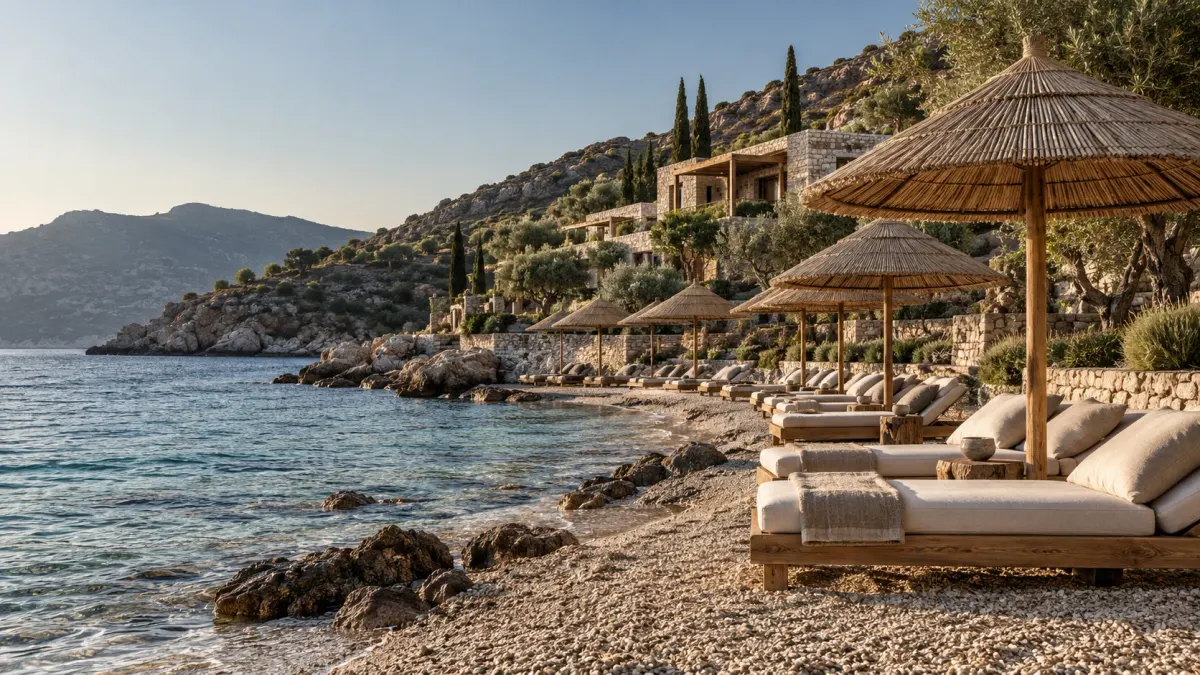
Deciding which areas to handle first, such as beach umbrellas, the restaurant terrace, poolside, lobby and bar, sets the flow of the work.
2. Checking existing structures
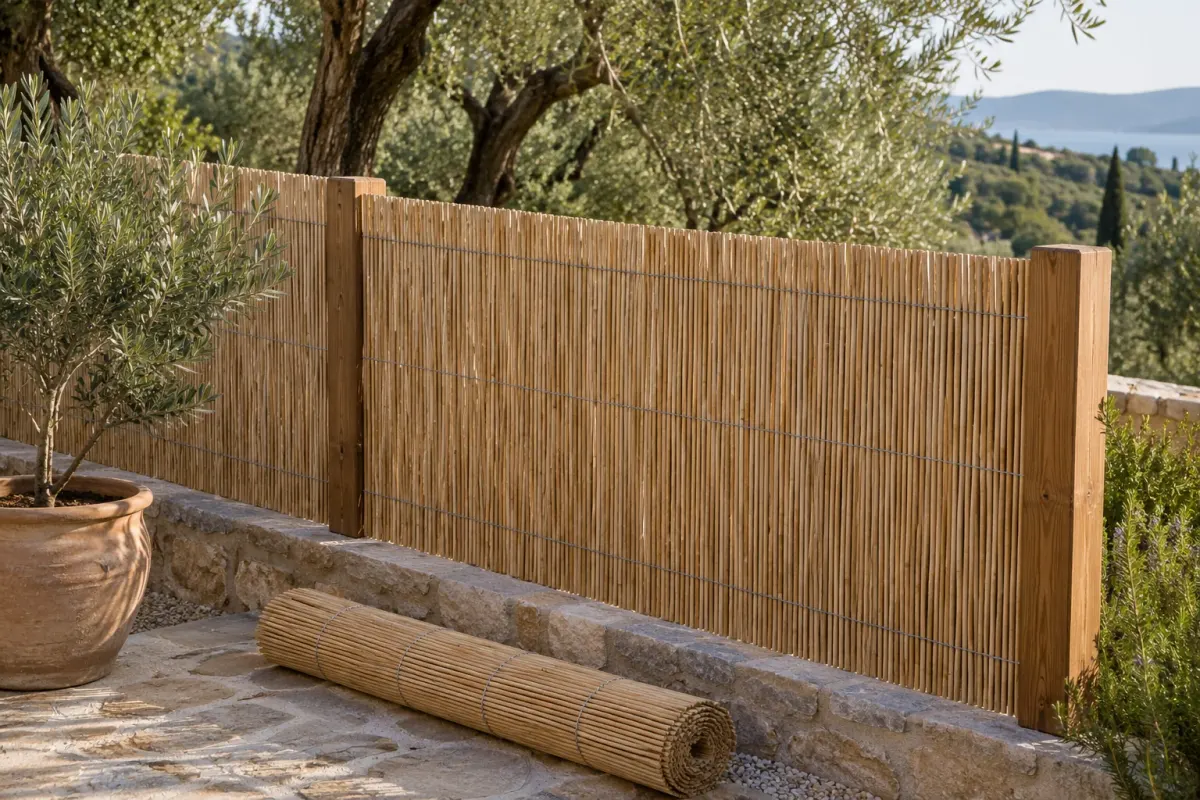
Reed, woven mat and bamboo surfaces left from the previous season are reviewed, and renewal or repair needs are noted. See our post on the maintenance approach.
3. Site visit and measuring
A site visit is made for new areas. To prepare, have a look at the site visit and measuring guide.
4. Design and material
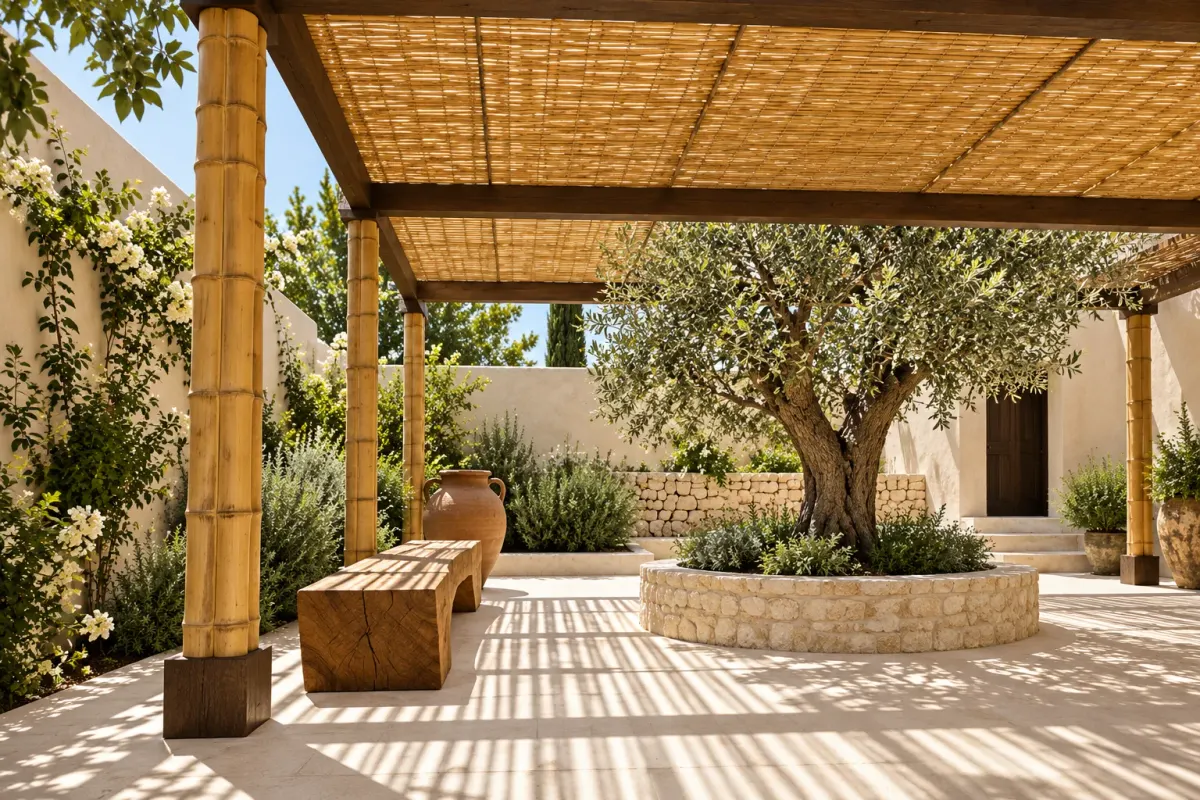
The visual language of the facility, the intensity of use and maintenance expectations guide material choice. You can explore the options on the products page.
Fitting with operations
- How guest and service flow will be managed during installation
- Access and storage space for material and the team
- Coordination with other work such as electrics and lighting
- Briefing staff on safety and fire awareness
For these topics, you can also read our post with general fire safety information.
How do we proceed together?
Describing your facility and your expectations is enough to start. Within the installation service we can build the plan together, and as needed you can send your request through the request a quote form.
The post-season is part of the plan too
The end-of-season review is as important as pre-season planning. When areas with heavy use are reviewed at season end, it becomes clear earlier which sections need care or renewal for the next season.
- End-of-season photos and a note record
- Marking heavily used areas separately
- A priority list for the next season
- Collecting ideas for new areas or changes
These records speed up the next season's planning and make conversations more concrete. No general information is given on timing, scope or schedule; every facility is handled with its own structure.
In summary
The way to plan natural material structures comfortably at a seasonal facility is to talk early, prioritise areas, check existing surfaces and think about fit with operations from the start. This way both the guest experience and the team routine are less affected in the busy period. Because timing and scope differ at every facility, they are clarified project by project. To describe your facility, you can write to us via the contact page.
In facilities with several units, having a single responsible person follow the process eases communication. Deciding in advance who will make which decision speeds up meetings and prevents information from scattering. This also helps planning move along more comfortably.
Frequently asked questions
How long before the season should I get in touch?
There is no fixed schedule. It varies with the size of the facility and the scope; talking as early as possible makes planning easier.
Can installation be done while the facility is open?
In some projects it may be possible, but because of guest flow and safety, planning in the closed period is usually preferred. This is discussed project by project.
Can we handle several areas at once?
Yes, a staged plan can be made by prioritising areas. The scope is clarified after the visit.